Chiesa del Sacro Cuore
Ivrea, Canton Vesco, 1956-1963
Arch. Marcello Nizzoli, Arch. Giuseppe Mario Oliveri
Il rinascimentale momento vissuto da Ivrea durante il periodo di floridezza dell’ Olivetti ha lasciato notissime testimonianze architettoniche, tutelate come patrimonio Unesco dal 2018.
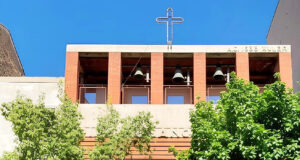
La chiesa parrocchiale del Sacro Cuore nel quartiere di Canton Vesco contribuisce a completare il progetto sociale di Adriano Olivetti per la città.
Progettata da Marcello Nizzoli, che nello stesso periodo stava ideando per la Necchi la macchina per cucire Mirella, appare come un leggero origami in cemento armato.
La struttura sottile resiste “per forma” grazie alle pieghe che segnano pareti e soffitto.
Le finestre esagonali alla sommità delle pareti accrescono l’impressione di leggerezza della struttura ed esaltano il gioco chiaroscurale.
Poco considerata dalla critica dell’epoca che però evidenziò la perfetta corrispondenza tra architettura ed esigenze liturgiche ottenuta collocando al di fuori del perimetro la cappella laterale e il battistero rivestiti in mattoni, per differenziarli dall’edificio principale.
All’interno è da segnalare la via crucis realizzata da Pomodoro oltre agli arredi liturgici progettati dallo stesso Nizzoli.
arch. Davide Alaimo
foto Enrico Perassi
The Renaissance moment experienced by Ivrea during Olivetti’s heyday left behind some very famous architectural landmarks, which have been protected as UNESCO World Heritage Sites since 2018.
The parish church of Sacro Cuore in the Canton Vesco district completes Adriano Olivetti’s social project for the city.
Designed by Marcello Nizzoli, who was designing the Mirella sewing machine for Necchi at the same time, it looks like a light origami structure in reinforced concrete.
The slender structure is held together by the folds that mark the walls and ceiling.
The hexagonal windows at the top of the walls enhance the impression of lightness and highlight the play of light and shadow.
It was little considered by critics at the time, who nevertheless highlighted the perfect correspondence between architecture and liturgical requirements achieved by placing the brick-clad side chapel and baptistery outside the perimeter to differentiate them from the main building.
Inside, the Via Crucis created by Pomodoro is noteworthy, as are the liturgical furnishings designed by Nizzoli himself.